Mastering Military-to-Civilian Transition for Career Success

Transitioning from military to civilian life can be one of the most challenging yet rewarding experiences for veterans. The skills and experiences gained during military service are invaluable, but translating them into a civilian context can be daunting. This blog post aims to provide practical guidance and insights to help veterans navigate this transition successfully.

Understanding the Transition Process
The military-to-civilian transition is not just about finding a job; it’s about adapting to a new lifestyle and culture. Here are some key aspects to consider:
The Emotional Journey
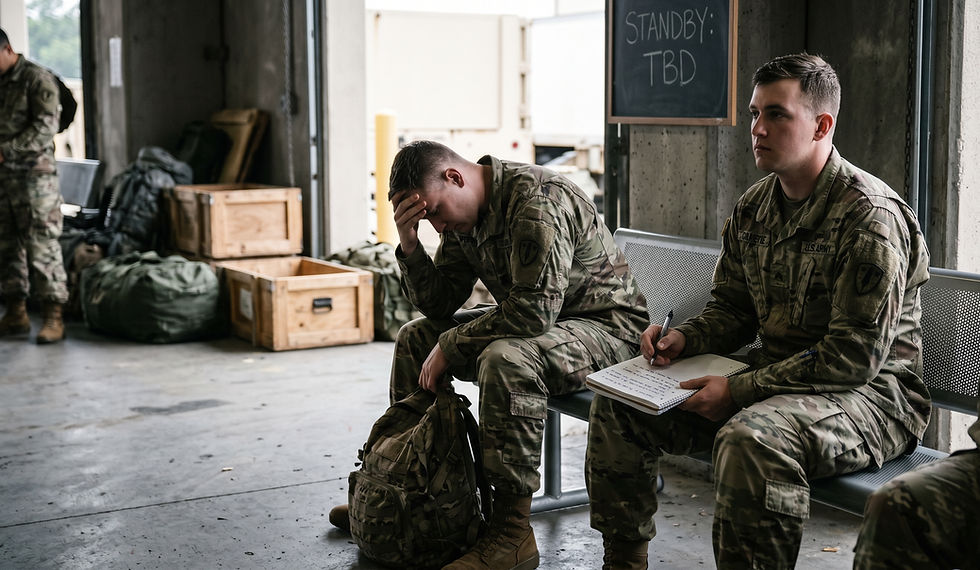
Leaving the military can evoke a range of emotions, from excitement to anxiety. It’s essential to acknowledge these feelings and seek support when needed. Many veterans find it helpful to connect with peers who have gone through similar experiences.
Identifying Transferable Skills
One of the most significant advantages veterans have is their unique skill set. Skills such as leadership, teamwork, and problem-solving are highly valued in civilian workplaces. Take time to identify and articulate these skills, as they will be crucial in your job search.
Setting Clear Goals
Before diving into the job market, it’s vital to set clear career goals. Ask yourself questions like:
What industries interest me?
What type of work environment do I thrive in?
What are my long-term career aspirations?
Having clear goals will guide your job search and help you stay focused.
Building a Strong Resume
Your resume is often the first impression potential employers will have of you. Here are some tips for crafting a compelling resume:
Tailor Your Resume
Customize your resume for each job application. Highlight the skills and experiences that align with the job description. Use keywords from the job posting to increase your chances of getting noticed by applicant tracking systems.
Use Clear Language
Avoid military jargon that may not be understood in civilian contexts. Instead, use clear and straightforward language to describe your experiences. For example, instead of saying “led a battalion,” you might say “managed a team of 50 personnel.”
Focus on Achievements
Rather than just listing duties, emphasize your achievements. Use quantifiable metrics to demonstrate your impact. For instance, “increased efficiency by 20% through process improvements” is more compelling than simply stating “responsible for process improvements.”
Networking and Building Connections
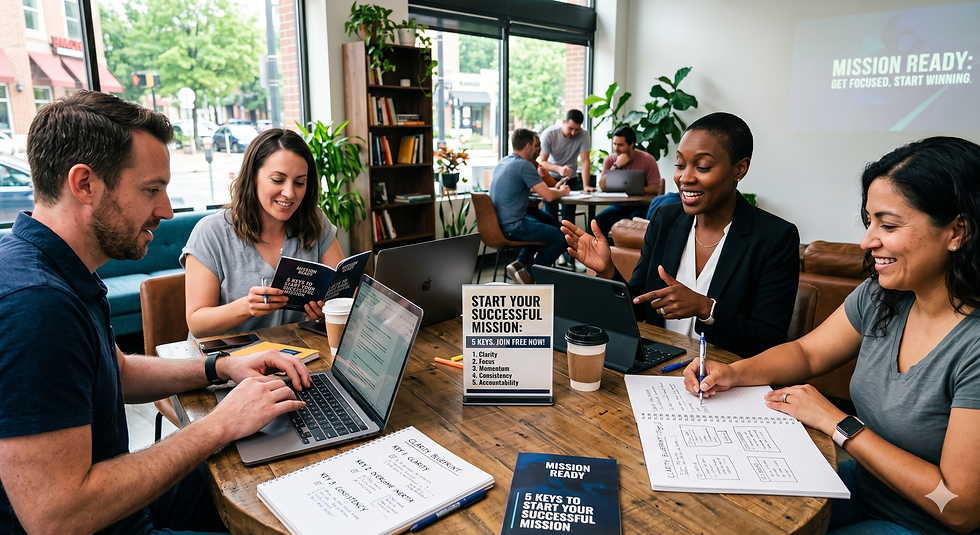
Networking is a crucial part of the job search process. Here’s how to effectively build connections:
Leverage Veteran Networks
Many organizations and groups are dedicated to helping veterans transition to civilian life. Joining these networks can provide valuable resources, mentorship, and job leads. Examples include:
Veterans of Foreign Wars (VFW)
American Legion
Team Rubicon
Attend Career Fairs
Career fairs specifically for veterans can be an excellent opportunity to meet potential employers. Prepare your elevator pitch and bring copies of your resume to distribute.
Utilize LinkedIn
LinkedIn is a powerful tool for networking. Create a professional profile that highlights your skills and experiences. Connect with former colleagues, mentors, and industry professionals. Engage with content relevant to your career interests to increase your visibility.
Preparing for Interviews
Once you secure an interview, preparation is key. Here are some strategies to help you succeed:
Research the Company
Understand the company’s mission, values, and culture. This knowledge will help you tailor your responses and demonstrate your genuine interest in the organization.
Practice Common Interview Questions
Familiarize yourself with common interview questions and practice your responses. Consider using the STAR method (Situation, Task, Action, Result) to structure your answers effectively.
Dress Appropriately
While the military has specific dress codes, civilian workplaces may vary. Research the company’s dress code and dress accordingly for the interview. When in doubt, opt for business casual.
Continuing Education and Skill Development
In some cases, additional education or training may be necessary to enhance your qualifications. Consider the following options:
Certifications
Many industries value certifications that demonstrate expertise. Research certifications relevant to your desired field and consider pursuing them.
Online Courses
Platforms like Coursera, Udemy, and LinkedIn Learning offer a wide range of courses that can help you develop new skills or enhance existing ones.
Networking Events and Workshops
Attend workshops and networking events to learn from industry professionals and gain insights into current trends.
Embracing the Civilian Culture
Adapting to civilian culture can be challenging. Here are some tips to help you navigate this transition:
Understand Workplace Dynamics
Civilian workplaces may have different dynamics compared to the military. Familiarize yourself with concepts like teamwork, collaboration, and communication styles.
Be Open to Feedback
In civilian roles, feedback may be more frequent and informal. Embrace constructive criticism as an opportunity for growth.
Build Relationships
Take the time to build relationships with your colleagues. Engaging in casual conversations and participating in team activities can help you integrate into the workplace culture.
Finding Support
Transitioning to civilian life can be overwhelming, but you don’t have to do it alone. Here are some resources to consider:
Veteran Service Organizations
Organizations like the U.S. Department of Veterans Affairs (VA) and Wounded Warrior Project offer various services, including career counseling and job placement assistance.
Counseling Services
If you’re struggling with the emotional aspects of the transition, consider seeking counseling. Many organizations provide free or low-cost mental health services for veterans.
Peer Support Groups
Connecting with fellow veterans can provide a sense of community and understanding. Look for local or online support groups where you can share experiences and advice.
Conclusion
Mastering the military-to-civilian transition is a journey that requires preparation, resilience, and support. By understanding the process, building a strong resume, networking effectively, and embracing the civilian culture, you can set yourself up for career success. Remember, your military experience has equipped you with valuable skills that can greatly benefit civilian employers. Take the next step with confidence, and don’t hesitate to seek support along the way. Your future is bright, and the skills you bring to the table are invaluable.

Comments